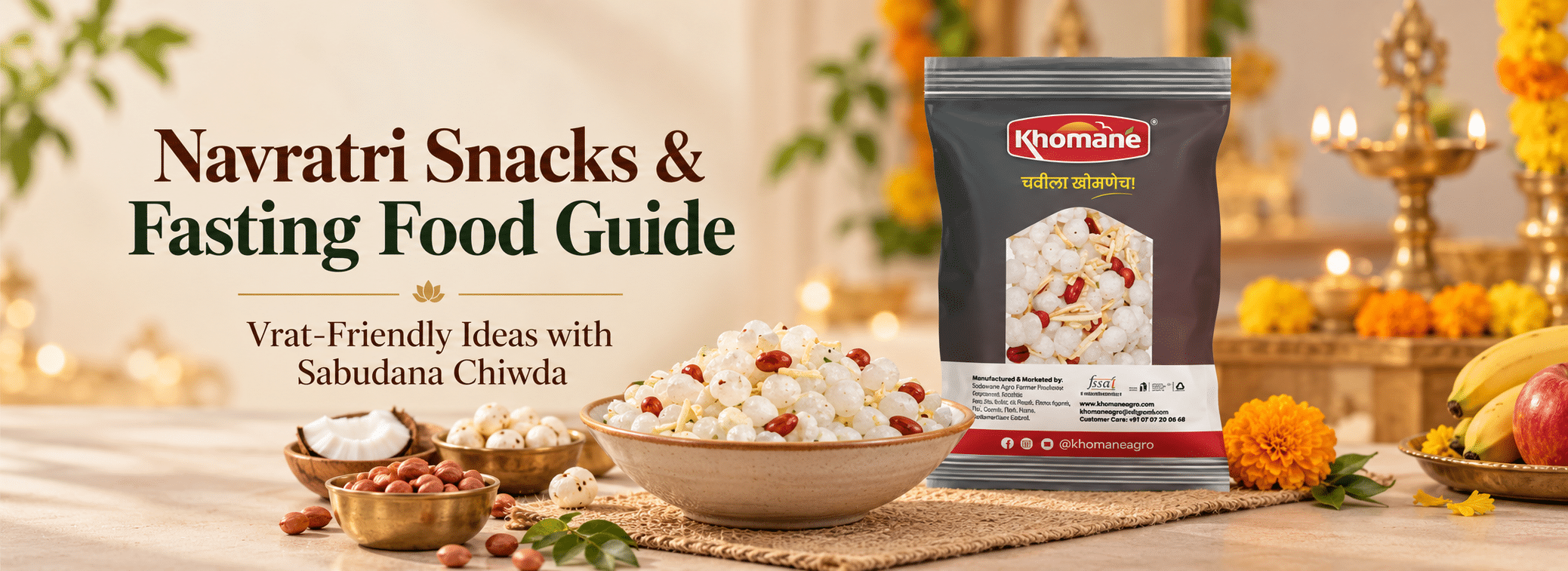
Navratri snacks can include sabudana-based foods, fruits, nuts, makhana and other ingredients permitted during fasting, while regular farsan and namkeen can be enjoyed by non-fasting family members, guests or after the fast is completed.
Navratri is one of India’s most widely celebrated festivals, bringing together devotion, fasting, family gatherings and festive food traditions.
For many households, these nine days also bring changes in everyday eating habits. Some people observe a strict vrat, some eat only selected fasting foods, while others simply avoid specific ingredients or follow lighter meals.
Because Navratri traditions differ from one family, community and region to another, there is no single food list that applies to everyone.
The best way to plan Navratri fasting food is to understand your own family traditions, check ingredients carefully and keep fasting foods separate from regular festive snacks.
This guide explains how to choose vrat snacks, sabudana products, farsan, jaggery bites and festive snack combinations while keeping convenience, tradition and ingredient awareness in mind.
Quick Answer: What Snacks Can You Eat During Navratri?
Common Navratri fasting snacks may include sabudana preparations, fruits, makhana, peanuts, selected nuts and dry fruits, potatoes, sweet potatoes, coconut, permitted dairy products, vrat-approved flours, sendha namak where allowed and jaggery where it is accepted in the individual’s fasting tradition.
However, fasting rules differ.
A food that is acceptable in one household may not be consumed in another.
For packaged food, always read the ingredient label before deciding whether it is appropriate for your vrat.
Why Choosing the Right Navratri Snacks Matters
Navratri fasting often happens alongside normal work schedules, household responsibilities, travel, temple visits and family gatherings.
That makes advance food planning especially useful.
Keeping suitable Navratri snacks available can help you avoid last-minute food decisions and make it easier to separate fasting food from regular snacks.
A planned pantry can also help when different family members follow different dietary practices during the festival.
For example, one person may observe a strict fast while another may eat regular meals throughout Navratri.
In such households, keeping both vrat-compatible foods and regular festive snacks can make the nine days easier to manage.
What Makes a Snack Vrat-Friendly?
A vrat-friendly snack is generally one prepared using ingredients accepted under the fasting traditions followed by the individual.
Many Navratri fasting practices avoid regular grains, besan, pulses, regular salt and selected spices.
Some households may also avoid onion, garlic or processed ingredients.
Therefore, a product should not automatically be considered fasting-friendly simply because it contains potatoes, peanuts or sabudana.
The complete ingredient list matters.
For packaged snacks, the simplest rule is:
Check every ingredient before consuming the product during a fast.
This is especially important for mixed snacks, flavoured products and packaged namkeen.
Sabudana Upwas Chiwda for Navratri
Sabudana is one of the ingredients most commonly associated with fasting foods in India.
Popular sabudana dishes include sabudana khichdi, sabudana vada, sabudana kheer and sabudana chiwda.
For consumers looking for something convenient, Sabudana Upwas Chiwda can be a useful snack option to explore.
It can be particularly practical when you are working, travelling or do not have time to prepare a complete fasting meal.
Depending on your personal vrat rules, Sabudana Upwas Chiwda can be considered for occasions such as office breaks, temple visits, travel, evening snacking or busy festive days.
However, you should still check the ingredients on the product pack to ensure they match your fasting practices.
Is Regular Farsan Allowed During Navratri Fasting?
Regular farsan should not automatically be considered a Navratri fasting food.
Many farsan varieties contain ingredients such as besan, pulses, grains, regular salt or seasonings that may not be permitted during strict fasting.
This means regular farsan is usually better positioned as a festive snack for:
- Non-fasting family members
- Guests
- Tea-time gatherings
- Evening celebrations
- Post-fast meals
- General festive snacking
Navratri includes both fasting and celebration, so regular farsan can still have an important place in a household during the festival even if it is not suitable for vrat.
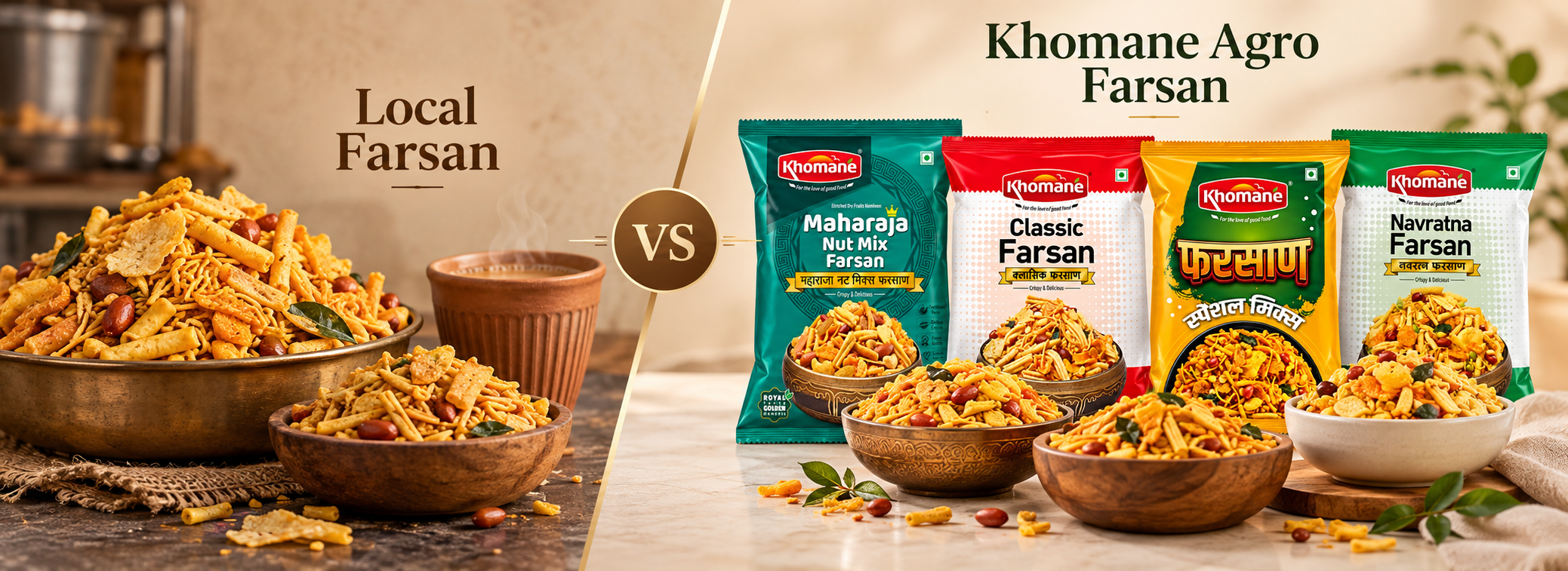
Khomane Agro Farsan for Navratri Gatherings
Families often need regular snacks for visitors and members who are not fasting.
Khomane Agro offers multiple farsan and snack varieties that can be kept for festive occasions.
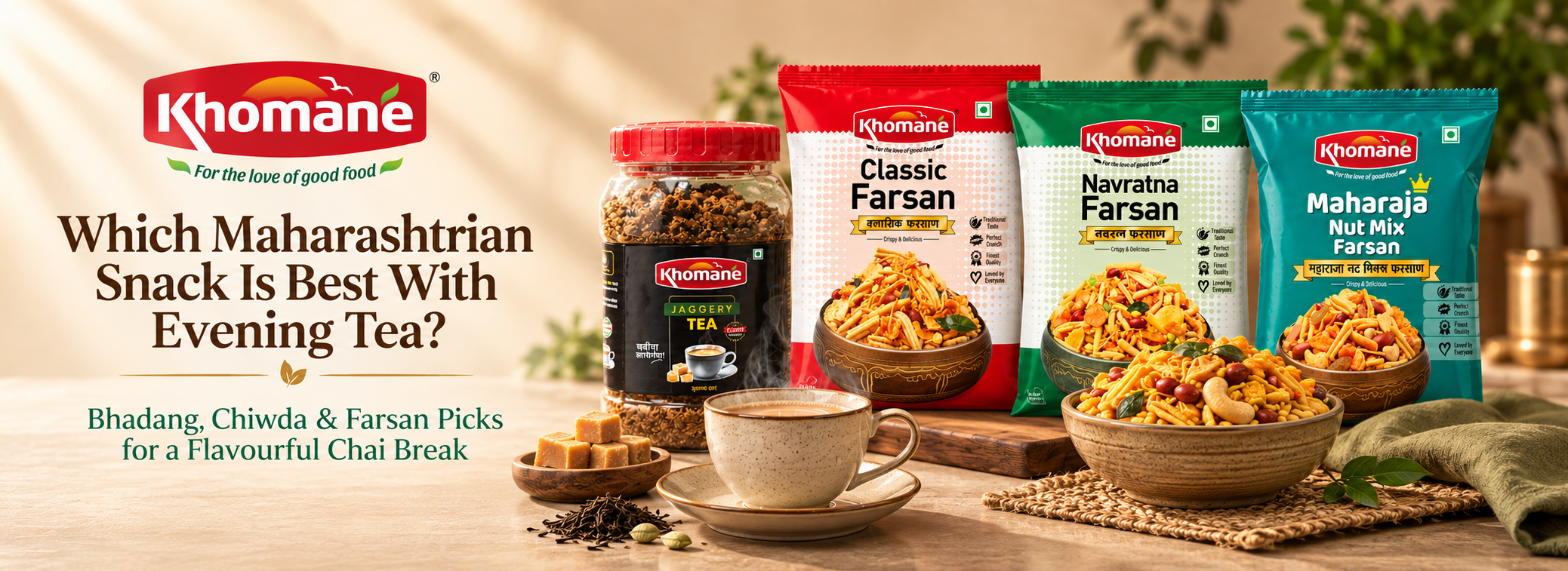
Classic Mix Farsaan
Classic Mix Farsaan works well for regular tea-time snacking and can be served during family visits or evening gatherings.
Navratna Farsaan
Navratna Farsaan can be a useful sharing snack for guests who enjoy mixed textures and savoury flavours.
Special Farsaan
Special Farsaan can add another snack option to a festive table when you want something convenient and ready to serve.
Maharaja Nut Mix Farsan
Maharaja Nut Mix Farsan can be served during family gatherings or festive snack breaks when you want a richer mixed-snack option.
These products should be treated as regular festive snacks unless the complete ingredients match the fasting rules you personally follow.
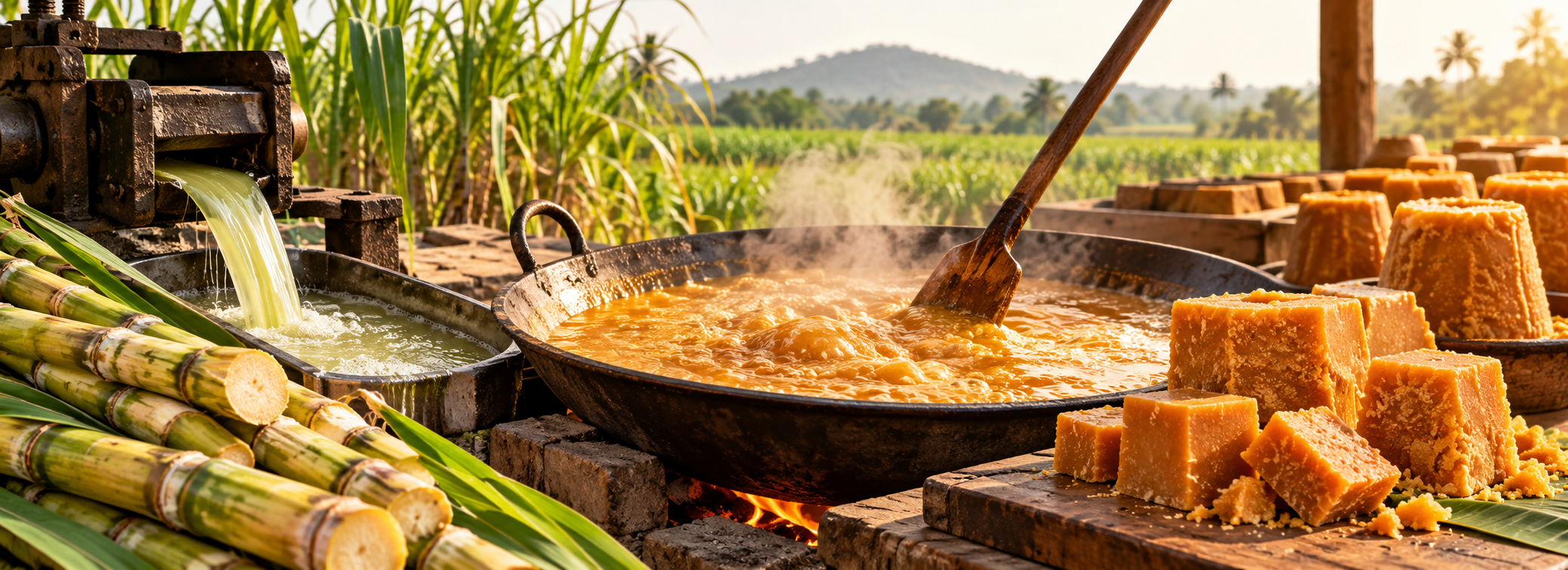
Can Jaggery Be Eaten During Navratri Fast?
Whether jaggery can be eaten during Navratri depends on the customs followed by the individual or family.
Some households consume jaggery during fasting, while others follow stricter or different traditions.
If jaggery is permitted under your vrat rules, it can be used in selected recipes or enjoyed in appropriate packaged products after checking all additional ingredients.
It is also important to remember that jaggery is still primarily a source of sugar.
It may be less refined than white sugar, but that does not mean it should be consumed without moderation.
Jaggery Bites for Festive Sweet Cravings
Navratri celebrations often include the desire for something sweet.
For people who enjoy traditional gud flavours, flavoured jaggery bites can offer a convenient alternative to conventional sweets.
Khomane Agro offers several types of jaggery bites that can add variety to your festive snack selection.
Peanut Jaggery Bites
Peanut and jaggery create a familiar sweet and nutty combination.
This variety can appeal to people who enjoy traditional flavour pairings.
Ginger Jaggery Bites
Ginger gives jaggery a warmer and slightly sharper flavour profile.
Ghee Jaggery Bites
Jaggery combined with ghee creates a rich, traditional-style flavour.
Turmeric Jaggery Bites
Turmeric adds a distinctive earthy note to the natural sweetness of jaggery.
Coconut Jaggery Bites
Coconut and jaggery are commonly paired in Indian sweets and traditional preparations.
These flavoured products should not automatically be classified as vrat-friendly.
Always check the complete ingredient list if you plan to consume them during fasting.
Navratri Fasting Snacks vs Regular Festive Snacks
| Snack | Best Use During Navratri | Important Consideration |
|---|---|---|
| Sabudana Upwas Chiwda | Potential fasting snack | Check all ingredients |
| Fruits | Fasting days | Follow family traditions |
| Makhana | Common fasting snack | Check seasonings |
| Nuts and Peanuts | Convenient snack | Suitability varies by vrat |
| Jaggery | Sweet option where permitted | Consume in moderation |
| Jaggery Bites | Festive sweet snack | Check additional ingredients |
| Classic Mix Farsaan | Tea time and guests | Not automatically vrat-friendly |
| Navratna Farsaan | Family gatherings | Regular festive snack |
| Special Farsaan | Celebrations | Check ingredients where needed |
| Maharaja Nut Mix Farsan | Guest serving | Better treated as regular farsan |
How to Build a Navratri Snack Box at Home
A simple way to manage different food preferences during Navratri is to create separate snack sections.
One section can be reserved for fasting foods, while another can be used for regular festive snacks.
For the fasting section, consider ingredients permitted under your family traditions, such as sabudana-based foods, fruits, makhana, nuts, peanuts, coconut or selected dry fruits.
For non-fasting members and visitors, keep regular farsan varieties such as Classic Mix Farsaan, Navratna Farsaan, Special Farsaan or Maharaja Nut Mix Farsan.
You can also keep a separate sweet section containing plain jaggery, jaggery bites or other traditional sweets.
This helps avoid confusion about which foods are meant for fasting and which are intended for regular festive eating.
Sample Navratri Snack Combinations
For a fasting snack where all ingredients fit your vrat rules, try:
Sabudana Upwas Chiwda + fresh fruit + selected nuts
For a regular family tea-time snack:
Classic Mix Farsaan + tea
For guests who are not fasting:
Navratna Farsaan + Maharaja Nut Mix Farsan + tea or coffee
For a festive sweet option:
Selected jaggery bites + nuts + tea
These simple combinations reduce preparation time while giving family members and guests enough variety.
How to Plan Navratri Snacks for All 9 Days
Planning your Navratri snacks in advance can reduce daily decision-making and last-minute grocery shopping.
Instead of purchasing random products throughout the festival, divide your food requirements into three categories:
Fasting foods, regular household snacks and guest-serving snacks.
For fasting days, keep only the foods permitted under your vrat traditions.
For family members who are not fasting, rotate between different farsan or chiwda varieties so the same snack is not served every day.
Planning ahead can help you:
- Reduce last-minute shopping
- Check ingredients before the festival
- Maintain snack variety
- Control quantities
- Keep vrat and regular food separate
- Prepare better for unexpected guests
- Make office and travel snacking easier
A little planning can make the full nine-day festive period significantly more convenient.
How to Store Navratri Snacks Properly
Proper storage can help maintain the taste, crunch and texture of farsan, chiwda and other packaged snacks.
After opening a snack pack, reseal it carefully or transfer the contents to an airtight container if appropriate.
Keep snacks away from moisture, direct sunlight and excessive heat.
For jaggery and jaggery-based products, follow the storage instructions printed on the pack.
Humidity can affect jaggery’s texture, so storing it in a dry place is important.
Always check the package condition and best-before information before consumption.
Navratri Snack Ideas for Small Family Gatherings
Navratri gatherings do not always require an elaborate food spread.
A simple two-section snack table can work well.
The first section can contain fasting-compatible foods such as fruits, makhana, nuts and permitted sabudana snacks.
The second section can contain regular snacks such as Classic Mix Farsaan, Navratna Farsaan, Special Farsaan and Maharaja Nut Mix Farsan.
Keeping the two categories separate helps guests choose food according to their own traditions and dietary preferences.
What Should You Serve Guests During Navratri?
Because different people may follow different fasting practices, it is useful to provide more than one snack option.
For people observing vrat, keep suitable fruits, nuts, makhana, sabudana snacks or other foods permitted by their tradition.
For non-fasting guests, farsan, chiwda and regular namkeen can be served alongside tea or coffee.
If you are unsure whether a guest is fasting, asking before serving is a simple and respectful approach.
What Are Good Navratri Snacks for the Office?
Working during Navratri can make fasting meal preparation more difficult.
Office-friendly snacks should ideally be easy to carry, easy to portion and convenient to eat between meetings or work tasks.
Depending on your vrat rules, options may include fruits, nuts, makhana, coconut, dry fruits or sabudana-based snacks.
Packaged options such as Sabudana Upwas Chiwda can be convenient for office use when the ingredients match your fasting practice.
For colleagues who are not fasting, packaged farsan can also be kept as a simple tea-time snack.
Navratri Snacks for Travel
Navratri may involve temple visits, family trips and travel for festive gatherings.
Carrying suitable snacks can help you avoid depending completely on outside food.
For fasting travellers, possible options may include approved nuts, makhana, fruit, dry fruits or packaged sabudana snacks.
For non-fasting travellers, packaged farsan can be convenient because it is easy to carry and serve.
Always choose products that can be stored safely throughout your journey.
How to Choose Packaged Navratri Snacks Online
When searching for Navratri snacks online, the product name alone is not enough to determine whether something is appropriate for fasting.
Before ordering, check the product’s complete ingredient list.
Also review the pack size, storage instructions, best-before information and allergen details.
Products containing peanuts, nuts, dairy or other common allergens may not be suitable for everyone.
If you are purchasing food specifically for fasting, identify whether it is a regular snack or an upwas-style product before placing your order.
Can You Drink Gud Wali Chai During Navratri?
Whether gud wali chai is suitable during Navratri depends on your individual fasting traditions.
Consider whether your vrat permits tea, milk, jaggery and any other ingredients being added.
If these ingredients are permitted, jaggery tea may be included according to your personal practice.
If not, it can be enjoyed after completing the fast or on non-fasting days.
Why Consider Khomane Agro for Navratri Snacks?
Khomane Agro offers different traditional food categories that can help households shop for both regular and festive requirements.
For Navratri, consumers can explore products such as Sabudana Upwas Chiwda, packaged farsan, jaggery products and flavoured jaggery bites.
The benefit is not that every product is fasting-friendly.
Instead, Khomane Agro gives families multiple options for different occasions:
Vrat snacks where ingredients are suitable, regular tea-time snacks, festive gatherings and sweet cravings.
This is particularly useful for households where some members are fasting while others are following their regular diet.
Frequently Asked Questions About Navratri Snacks
What are the best snacks for Navratri fasting?
Common options include fruits, makhana, sabudana preparations, peanuts, nuts, coconut and other foods permitted under your family’s fasting traditions.
What can I eat during Navratri vrat?
You can eat foods made from ingredients accepted under your specific vrat practice. Sabudana, fruits, selected nuts and makhana are common choices in many households.
Is farsan allowed during Navratri fasting?
Regular farsan should not automatically be considered vrat-friendly because it may contain besan, grains, pulses, regular salt or other restricted ingredients.
Is Sabudana Upwas Chiwda suitable for Navratri?
Sabudana is commonly used during fasting, but you should still check the complete ingredient list before consuming a packaged Sabudana Upwas Chiwda during vrat.
Can jaggery be eaten during Navratri fasting?
It depends on the fasting customs followed by your household. Some people consume jaggery during vrat while others may avoid it.
Are jaggery bites suitable for Navratri fasting?
Not necessarily. Flavoured jaggery bites may contain additional ingredients, so always check the label before consuming them during fasting.
What can I serve guests during Navratri?
You can keep a separate fasting snack section with fruit, nuts, makhana and suitable sabudana foods, along with regular farsan or namkeen for non-fasting guests.
What are easy Navratri snacks for office use?
Depending on your fasting rules, fruits, nuts, makhana, dry fruits and sabudana-based snacks can be convenient office options.
What are good Navratri snacks for travel?
Portable options may include fruit, nuts, makhana, dry fruits and suitable packaged sabudana snacks. Regular farsan can be carried for people who are not fasting.
Where can I buy Navratri snacks online?
Consumers looking for Sabudana Upwas Chiwda, farsan, jaggery products and other traditional snack options can explore the Khomane Agro range online.
Plan Your Navratri Pantry with Khomane Agro
Navratri food planning becomes much easier when you clearly distinguish between fasting food and regular festive snacks.
Sabudana-based snacks can be convenient for people whose vrat traditions permit the ingredients.
Regular farsan can be kept for non-fasting family members, guests, tea-time gatherings and festive celebrations.
Jaggery products can provide an additional sweet option where appropriate, but their complete ingredients should also be checked before consuming them during strict fasting.
The simplest approach is:
Check ingredients, follow your family’s fasting traditions, keep vrat snacks separate from regular farsan and store all food properly.
For consumers searching for Navratri snacks, Navratri fasting food, Sabudana Upwas Chiwda, jaggery bites, farsan online or Maharashtrian snacks, Khomane Agro provides different traditional food options that can help make festive planning more convenient.
Explore Khomane Agro
Khomane Agro Farmer Producer Company Limited
Gat No. 498, Korhale Budruk, Baramati, Maharashtra – 412103
Phone: 087673 06068
Email: khomaneagrofpc@gmail.com
Website: khomaneagro.com
Explore Khomane Agro’s snack and jaggery range and plan your Navratri food selection according to your family’s traditions, taste and convenience.