Can you use cold-pressed oils for weight management? Yes, cold-pressed oils can be included in a balanced, calorie-controlled diet, but they do not directly burn body fat or cause weight loss. Like refined oils and other dietary fats, cold-pressed oils are energy-dense. The amount you use, your overall calorie intake, cooking methods, activity level and broader lifestyle have a greater influence on weight management than the extraction method alone.
Cold-pressed oils can offer distinctive natural flavours that may help you prepare satisfying home-cooked meals. However, replacing refined oil with cold-pressed oil without controlling the quantity will not automatically reduce your calorie intake.
What Are Cold-Pressed Oils?
Cold-pressed oils are produced by mechanically pressing oilseeds or nuts without the intensive refining associated with refined oils. Depending on the ingredient and processing method, the oil may retain a noticeable natural aroma, colour and flavour.
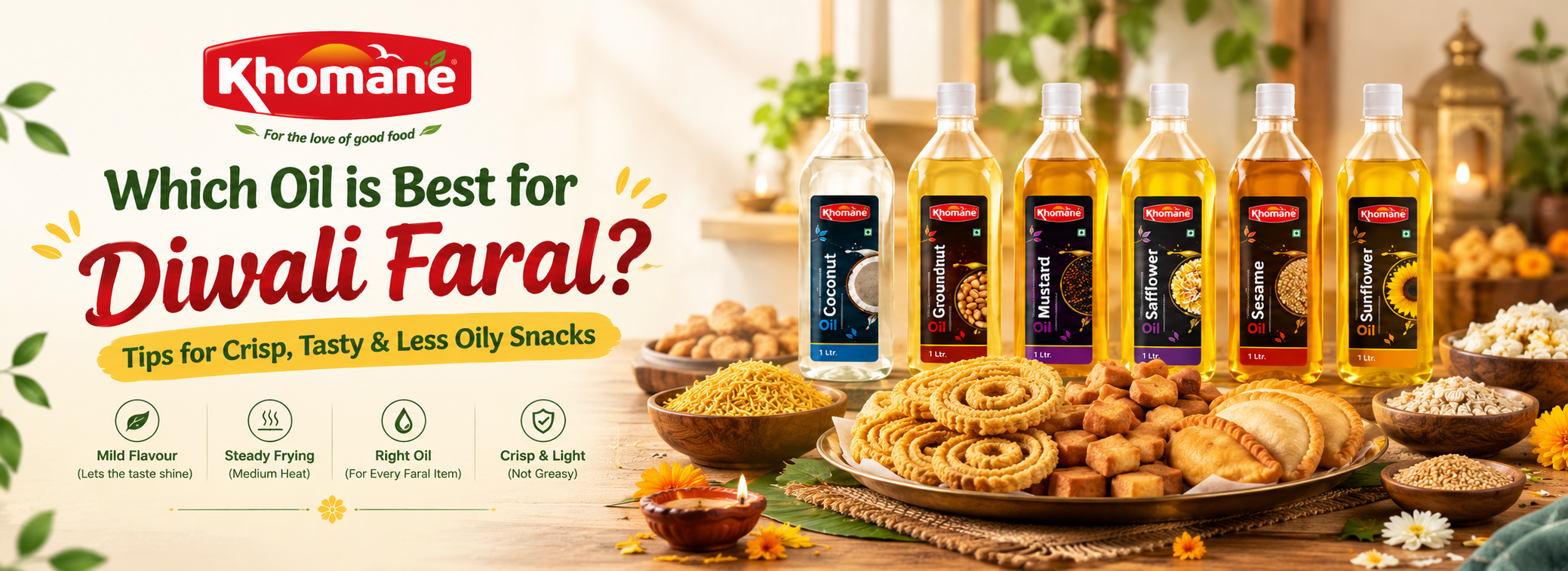
Common cold-pressed cooking oils include:
- Groundnut oil
- Sunflower oil
- Mustard oil
- Sesame oil
- Safflower oil
- Coconut oil
Cold-pressed does not mean calorie-free, low-fat or suitable for unlimited consumption. It describes the extraction method—not a weight-loss property.
Are Cold-Pressed Oils Good for Weight Management?
Cold-pressed oils can be part of a weight-management diet when used in measured quantities. They provide dietary fat, which supports normal body functions and helps carry fat-soluble vitamins. Fat can also contribute flavour and satisfaction to meals.
However, all oils provide concentrated energy. Consuming more oil than your body requires can make it harder to maintain a calorie deficit.
Cold-Pressed Oil Does Not Burn Body Fat
There is no reliable basis for claiming that cold-pressed oil independently:
- Burns belly fat
- Increases weight loss
- Melts stored body fat
- Detoxifies the body
- Cancels calories from fried foods
- Produces weight loss without dietary changes
Weight loss generally requires consuming fewer calories than the body uses, increasing physical activity or combining both approaches. The National Heart, Lung, and Blood Institute notes that reducing dietary fat without reducing total calories is not sufficient for weight loss.
The Quantity Still Matters
Using cold-pressed oil does not remove the need for portion control. Pouring oil directly from a large bottle can make it difficult to recognise how much has been added.
Measure oil with a teaspoon or tablespoon when possible. This small habit can make daily intake easier to monitor.
Cold-Pressed Oil vs Refined Oil for Weight Loss
From a weight-management perspective, the calorie difference between comparable edible oils is generally not meaningful enough to make one oil a weight-loss solution.
The main differences may involve:
- Extraction and processing
- Natural aroma
- Flavour
- Colour
- Filtration
- Suitability for particular recipes
- Product-specific cooking guidance
Cold-pressed oil may help make simple home-cooked food more enjoyable because of its characteristic flavour. This can support a sustainable eating routine, but the oil itself does not create weight loss.
The better question is not simply, “Is cold-pressed oil better for weight loss?” Instead, ask:
- How much oil am I using?
- What cooking method am I choosing?
- Is my meal balanced?
- Am I eating appropriate portions?
- Does this oil suit the recipe?
- Am I considering all sources of dietary fat?
How Much Cooking Oil Should You Consume Per Day?
There is no single quantity suitable for every person. Oil requirements vary according to age, sex, physical activity, total energy needs, health conditions and intake of fats from other foods.
The ICMR–National Institute of Nutrition’s Dietary Guidelines for Indians state that visible fats—including cooking oils, butter and ghee—may be limited to approximately 20–50 grams per person per day depending on calorie requirements, activity level and physiological status. For a 2,000-calorie diet, the guidelines give an example of approximately 27–30 grams of visible fat per day.
This range is not a personal prescription. Nuts, seeds, dairy, eggs, meat, snacks, bakery items and restaurant meals can also contribute fat to the diet.
People with obesity, diabetes, high cholesterol, cardiovascular disease, fatty liver disease or other medical conditions should seek personalised advice from a qualified doctor or registered dietitian.
Why Total Fat Intake Matters for Weight Management
The World Health Organization recommends that most adults keep total fat intake at 30% or less of total daily energy to help prevent unhealthy weight gain. It also emphasises the importance of fat quality, recommending unsaturated fats in preference to saturated and trans fats.
This guidance includes fat from all sources—not only the oil added during cooking.
Visible and Invisible Fats
Visible fats are fats you can directly measure, such as:
- Cooking oil
- Ghee
- Butter
- Oil used in dressings
Invisible fats occur naturally or are already present in foods such as:
- Nuts and seeds
- Peanuts
- Milk and dairy products
- Eggs
- Meat and fish
- Bakery products
- Farsan and fried snacks
- Packaged foods
Monitoring only the oil bottle while ignoring other fat sources can create an incomplete picture of total intake.
Which Cold-Pressed Oil Is Best for Weight Management?
No single cold-pressed oil is best for every person or every recipe. Choose according to the oil’s fat profile, flavour, intended cooking use and the rest of your diet.
Cold-Pressed Groundnut Oil
Groundnut oil has a familiar nutty flavour and is commonly used in Maharashtrian and Gujarati cooking. Its versatility makes it suitable for vegetables, poha, curries and certain snacks.
It still needs to be measured. A natural or traditional oil does not become low-calorie simply because of its processing method.
Cold-Pressed Sunflower Oil
Sunflower oil generally has a lighter flavour and can work in dishes where a strong oil aroma is not preferred. The WHO identifies sunflower oil among sources of unsaturated fat, while still recommending that total fat consumption remain within appropriate limits.
Cold-Pressed Safflower Oil
Safflower oil can be selected for recipes and meal plans where its taste and cooking characteristics are suitable. As with other oils, quantity and overall dietary balance remain important.
Cold-Pressed Mustard Oil
Mustard oil has a distinctive aroma and is traditionally used in particular regional recipes and pickles. Use it according to product instructions and the needs of the recipe.
Cold-Pressed Sesame Oil
Sesame oil adds a noticeable nutty character to chutneys, pickles and regional preparations. Its strong flavour may allow it to be used thoughtfully in recipes, but this does not change its energy density.
Cold-Pressed Coconut Oil
Coconut oil has a characteristic flavour suited to several coastal and South Indian dishes. It contains more saturated fat than many liquid vegetable oils, so it should not be promoted as a fat-burning food. The WHO recommends prioritising unsaturated fats over fats high in saturated fat.
How to Use Cold-Pressed Oils in a Weight-Management Diet
The way you use oil is more important than simply choosing a premium variety.
1. Measure Before Cooking
Use a spoon instead of pouring oil directly into the kadai. If cooking for several people, calculate how much oil is being used across the complete dish.
2. Choose Lower-Oil Cooking Methods
Use cooking techniques such as:
- Steaming
- Boiling
- Grilling
- Roasting
- Pressure cooking
- Sautéing with measured oil
- Air-frying where appropriate
Deep-fried food absorbs oil, so changing the cooking method can often reduce oil consumption more effectively than switching oil varieties.
3. Avoid “Healthy Oil” Overuse
People sometimes use more oil because a product is marketed as natural, traditional or cold-pressed. This creates a health-halo effect. Even a carefully produced oil should be consumed in suitable quantities.
4. Build a Balanced Plate
A weight-management meal should not revolve around oil. Include suitable portions of:
- Vegetables
- Pulses or beans
- Whole grains or millets
- Lean or appropriate protein sources
- Curd or other dairy when suitable
- Fresh fruit
- Nuts and seeds in controlled portions
5. Count Oil Used in Snacks and Outside Food
Oil used at home is only one part of daily consumption. Restaurant gravies, farsan, bakery products, fried snacks and packaged foods may contribute additional fat and calories.
6. Avoid Repeatedly Reheating Oil
Repeatedly heating frying oil can negatively affect its quality. Do not mix deteriorated used oil with fresh oil, and never allow oil to smoke.
7. Select Oil According to the Recipe
Using different oils for different recipes can bring variety in flavour and fat sources. This is sometimes called rotating oils. It does not mean mixing many oils randomly or consuming more oil overall.
Common Weight-Loss Mistakes Involving Cooking Oil
Assuming Cold-Pressed Means Low-Calorie
Cold pressing describes the extraction process. It does not significantly remove the oil’s calories.
Using Excess Oil in “Healthy” Recipes
Vegetable sabzi, dal, poha or millet dishes can still become calorie-heavy when prepared with excessive oil.
Ignoring Oil in Tadka and Garnishing
Oil used for tempering, chutneys, salad dressings and final garnishes counts toward total consumption.
Cutting Oil but Increasing Other High-Calorie Foods
Weight management depends on total calorie intake. Simply reducing cooking oil while increasing sweets, sugary drinks or large portions may not create a calorie deficit.
Following Detox or Fat-Burning Claims
No edible oil should be presented as a detox treatment or direct fat burner. Sustainable weight management requires a broader dietary and lifestyle approach.
Can Cold-Pressed Oil Support a Sustainable Eating Routine?
Cold-pressed oils can contribute to a sustainable routine when they make simple, home-cooked meals flavourful and satisfying. A person may find it easier to follow a balanced eating pattern when food remains enjoyable.
The potential benefit comes from how the oil is used—not from a magical property. Measured portions, suitable cooking methods, nutritious ingredients and regular activity work together.
FAQs About Cold-Pressed Oils for Weight Management
Does cold-pressed oil help you lose weight?
Cold-pressed oil does not directly cause weight loss. It can be included in a calorie-controlled eating plan when used in measured quantities.
Which cooking oil is lowest in calories?
Comparable edible oils have similar energy density. Changing from one oil to another without reducing the amount is unlikely to produce meaningful calorie savings.
Can I use cold-pressed groundnut oil during weight loss?
Yes, if it suits your recipes, allergies and dietary requirements. Measure the amount and include it within your overall calorie and fat targets.
Is cold-pressed coconut oil good for belly-fat reduction?
There is no reliable evidence that cold-pressed coconut oil specifically reduces belly fat. It is also relatively high in saturated fat and should be used thoughtfully.
Should cooking oil be completely avoided for weight loss?
Usually, complete avoidance is unnecessary. Dietary fats have important functions, but the type and amount matter. Follow personalised medical advice if you have specific health conditions.
Is air-fried food better for weight management?
Air-frying may require less added oil than deep-frying, but the overall ingredients and portion size still determine the meal’s calorie content.
Can rotating cooking oils help with weight management?
Rotating oils may provide flavour and dietary variety, but it does not cause weight loss. The total quantity used must still be controlled.
How can I measure household oil consumption?
Track how long a known quantity of oil lasts and divide it by the number of household members and days. This gives an approximate figure, although meals eaten outside the home must also be considered.
Choose Quality Oil—and Use It Mindfully
Cold-pressed oils for weight management can be part of a balanced diet, but they are not weight-loss products. The most effective approach is to measure oil, choose appropriate cooking methods, eat varied meals and balance calorie intake with physical activity.
Explore Khomane Agro’s range of cold-pressed groundnut, sunflower, mustard, safflower, coconut and white sesame oils. Choose an oil that complements your recipes, follow the storage and cooking instructions on the pack, and use it in quantities suited to your individual dietary needs.
Business Name: Khomane Agro Farmer Producer Company Limited
Website: https://khomaneagro.com/
Call/WhatsApp: +91 87673 06068
Email: khomaneagrofpc@gmail.com
Address: Gat No. 498, Korhale Budruk, Baramati, Maharashtra – 412103
Also available on: Amazon India
Choose Khomane Agro cold-pressed oils for authentic flavour—and make mindful portions part of your everyday weight-management journey.